Can You Drink the Glacier Water at the Columbia Icefield?
Do not assume untreated glacier meltwater is safe to drink, even when it looks clear. Bring drinking water from a treated source; seeing the glacier’s meltwater channels can still be a memorable part of the visit.
Stand beside the glacier’s meltwater channels during the Ice Explorer stop; bring drinking water from a treated source. Explore Ice Explorer + Skywalk
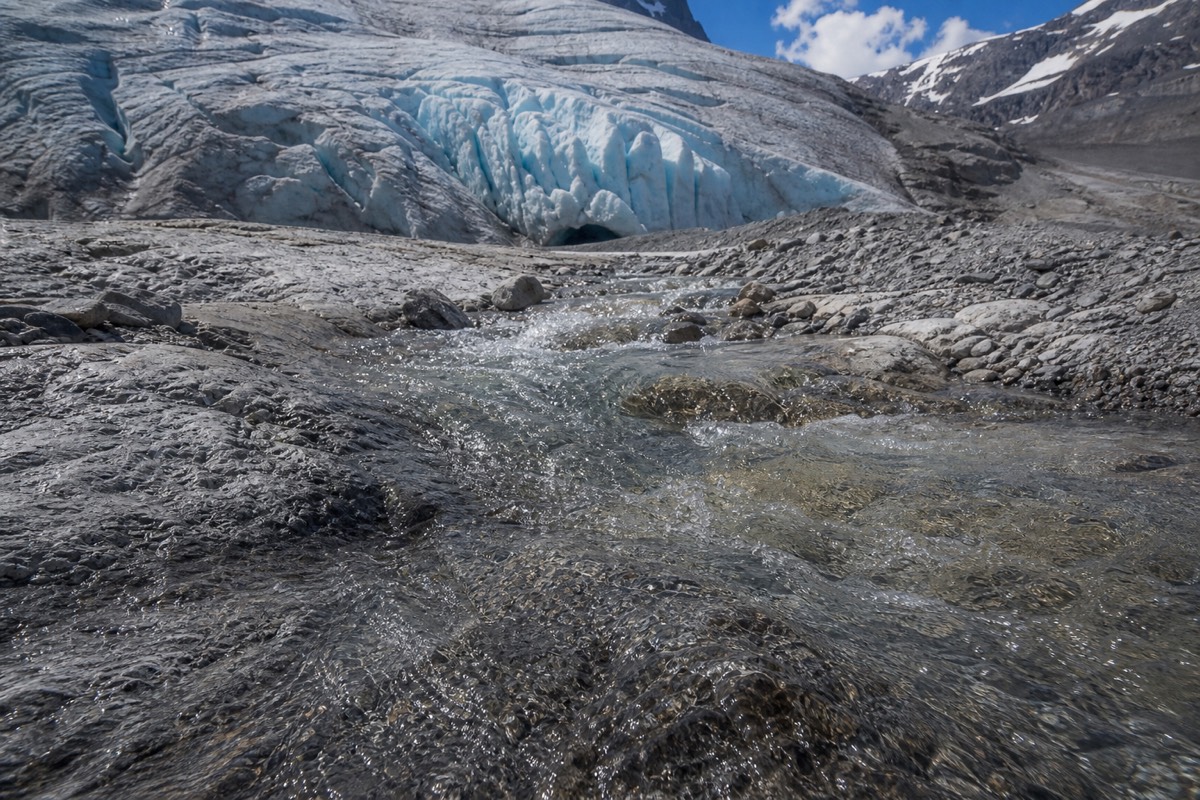
Do not drink untreated meltwater straight from the Athabasca Glacier. Clear water, cold temperatures and a guide’s presence do not establish that it is safe. Bring treated drinking water and follow posted water advisories.
Can you drink meltwater straight from the Athabasca Glacier?
Glacier meltwater can look exceptionally clear as snow and ice melt into small surface channels. That appearance is not evidence of drinking-water safety. Enjoy the view without using the glacier as your drinking-water supply.
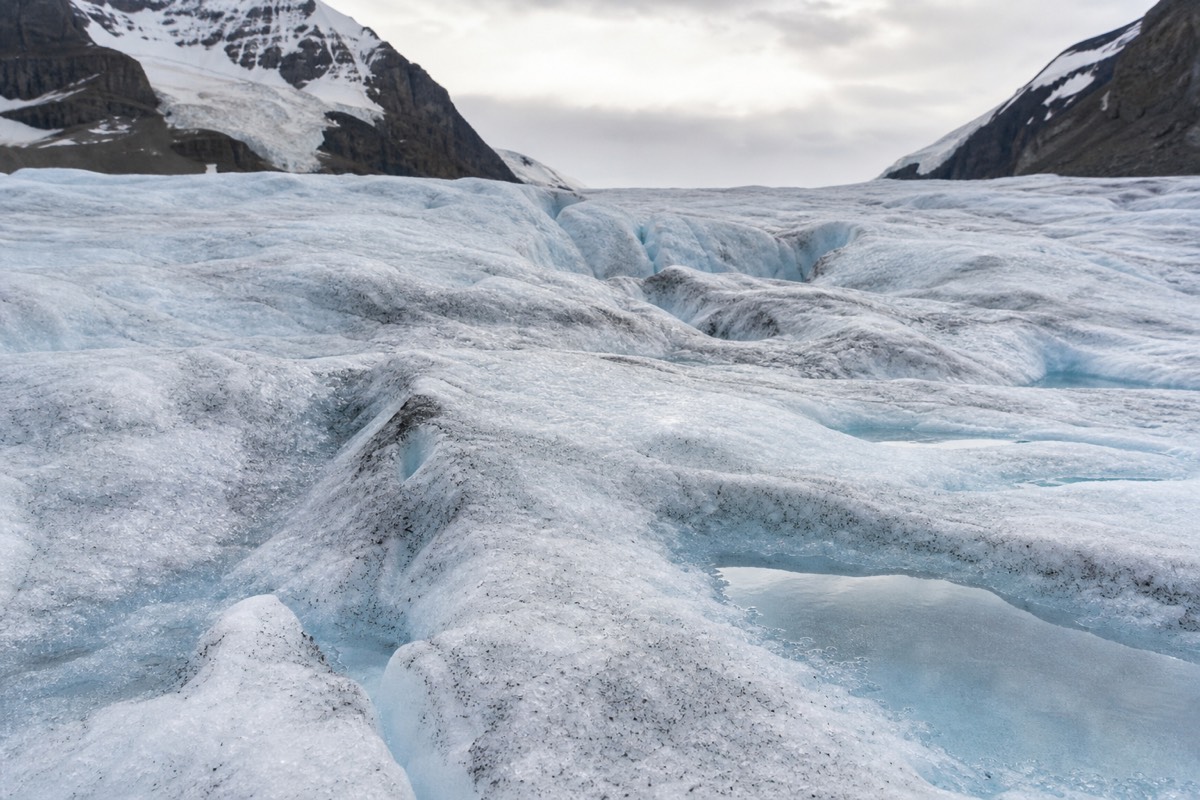
The managed visitor area lets you see the ice and its surface features. Follow your guide’s route and stay within the designated area; do not wander off to collect water. The Ice Explorer ride and guided glacier hikes are different ways to experience the ice.
Is glacier water actually safe to drink?
Untreated surface water can carry organisms even when it looks clear. Parks Canada’s Jasper backcountry safety guidance advises boiling drinking water. Neither the age of the ice nor the absence of farms makes a stream a verified potable supply.
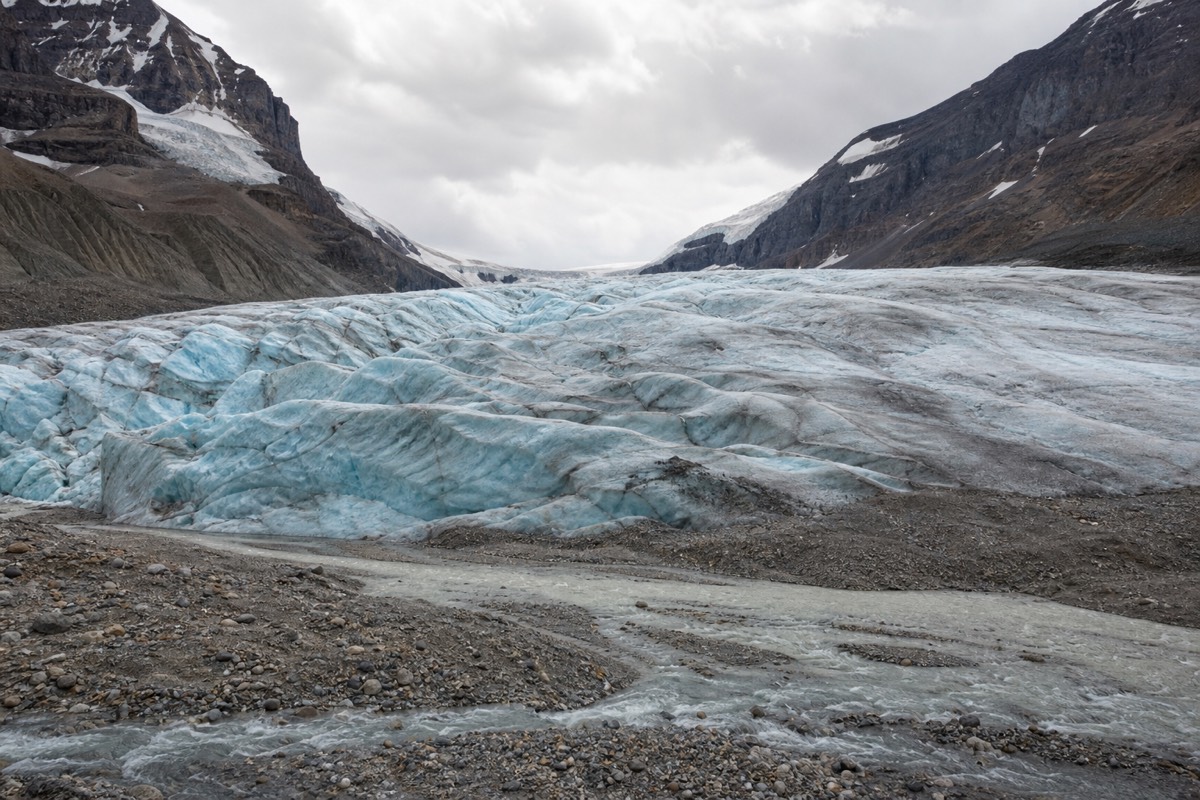
Glacial flour is fine rock material carried by meltwater and contributes to the colour of glacial lakes. Visible sediment is a separate issue from microbial contamination: removing cloudiness does not by itself establish that water is safe.
Where should you not drink the water?
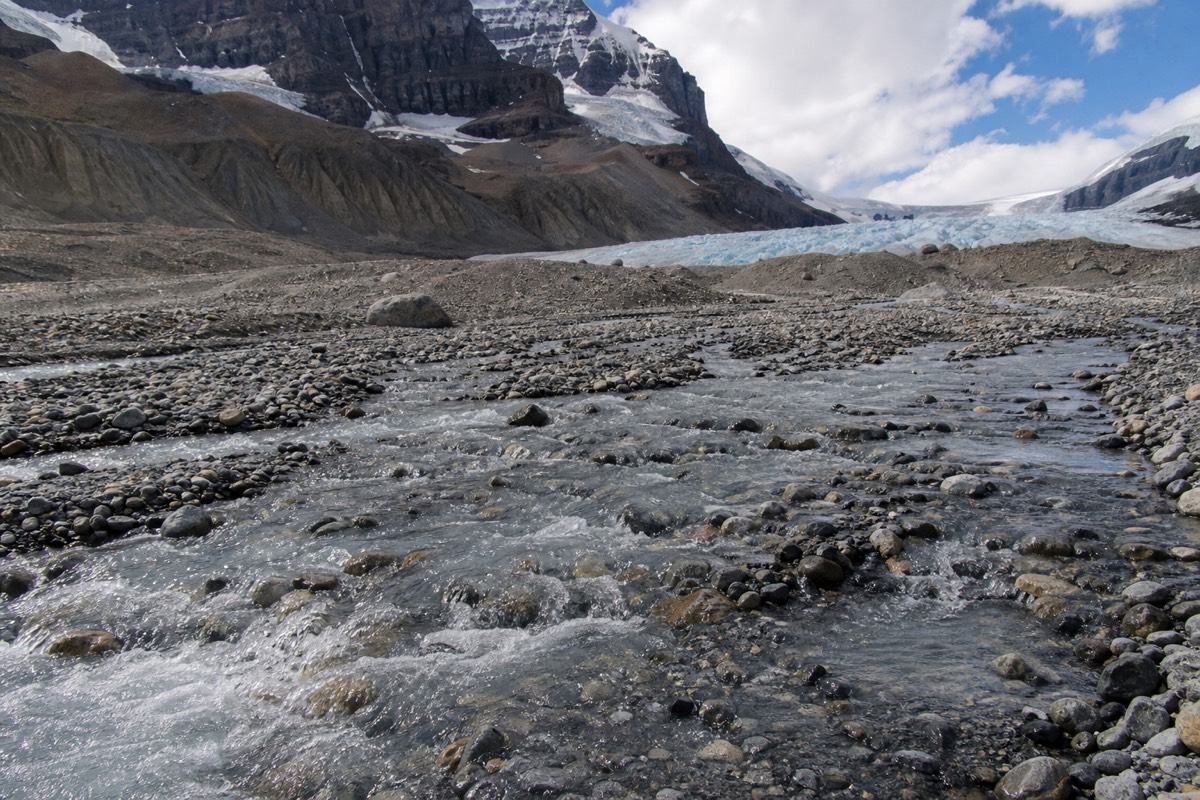
Skip untreated rivers, standing pools and surface flows on the ice. Do not use clarity as a safety test, and never leave a marked visitor area to reach a stream.
| Water source | Clarity | Safe to drink? | Notes |
|---|---|---|---|
| Clear surface flow on the glacier | Clear | Do not drink untreated | Clarity does not verify safety |
| Milky meltwater below the toe | Grey, cloudy | Not recommended | Heavy with glacial flour and runoff |
| Sunwapta River and side streams | Silty | No, unless treated | Open catchment, wildlife upstream |
| Standing pools | Variable | No | Stagnant, higher contamination risk |
| Discovery Centre tap | Clear | Use only designated potable supplies | Follow current on-site advisories |
What should you bring for water on the tour?
Bring a refillable bottle already filled with treated drinking water. Confirm whether your specific tour supplies water and whether drinking-water facilities are operating at the Centre; do not rely on collecting glacier meltwater.
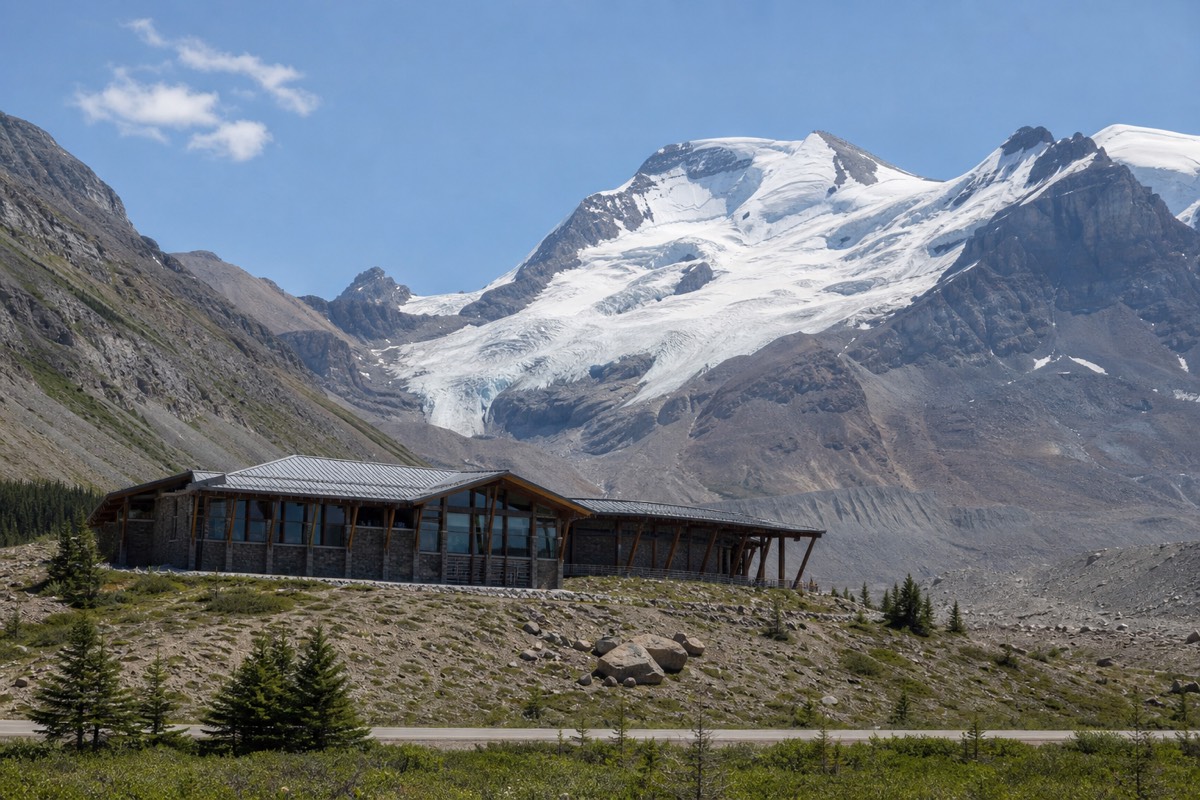
An insulated bottle keeps your drinking water cool during the day. Even when a tour includes lunch, check its water provision rather than assuming all food and drink are covered.
How cold is it, and what does it taste like?
Meltwater is very cold near the ice, but temperature and taste do not tell you whether it is safe. You can appreciate the clear channels and glacier landscape without tasting untreated water.
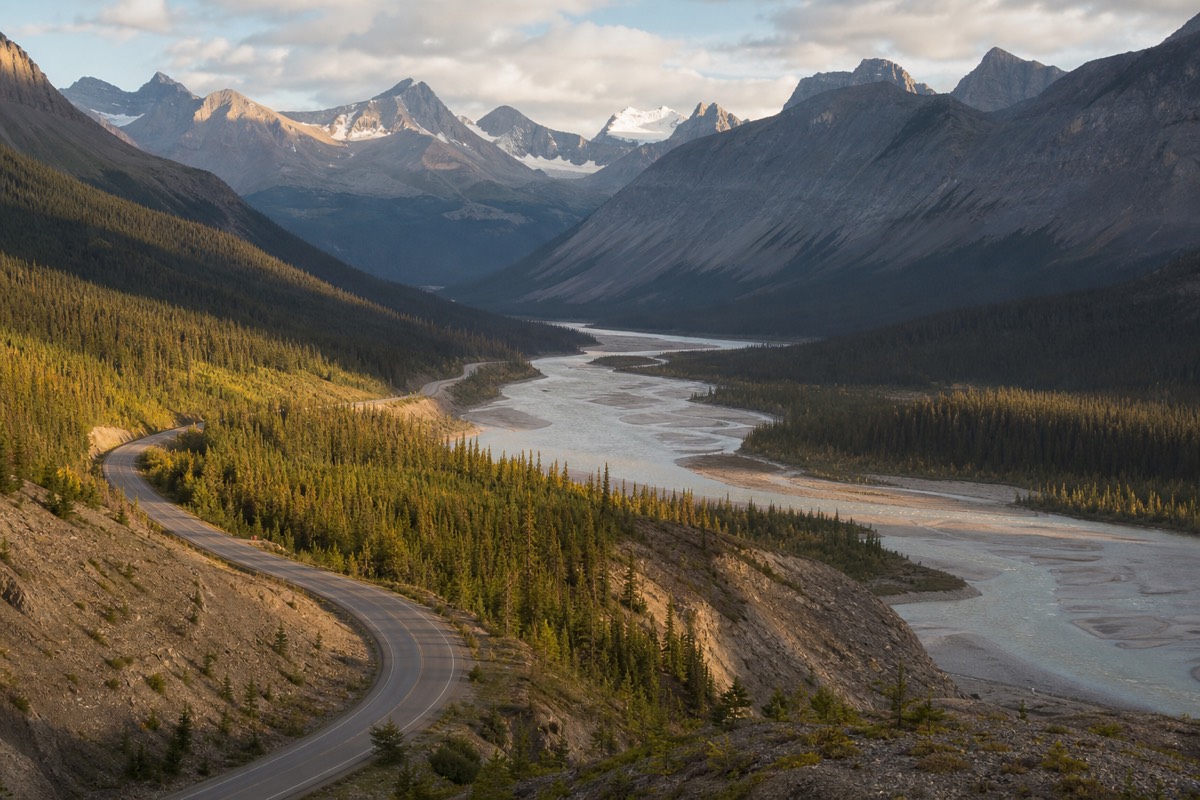
Leave the glacier as you found it: stay within the visitor area and pack out what you bring. The wider Athabasca Glacier landscape is the experience; collecting drinking water is not a necessary part of it.