Is the Drive from Banff to Jasper Scary?
It looks intimidating on a map, all glaciers and high passes, and nervous first-timers ask about it constantly. The honest answer separates the road itself from what really unsettles people.
A Banff round trip lets you enjoy the mountain views while a professional driver handles the road. Explore The Banff Glacier Day
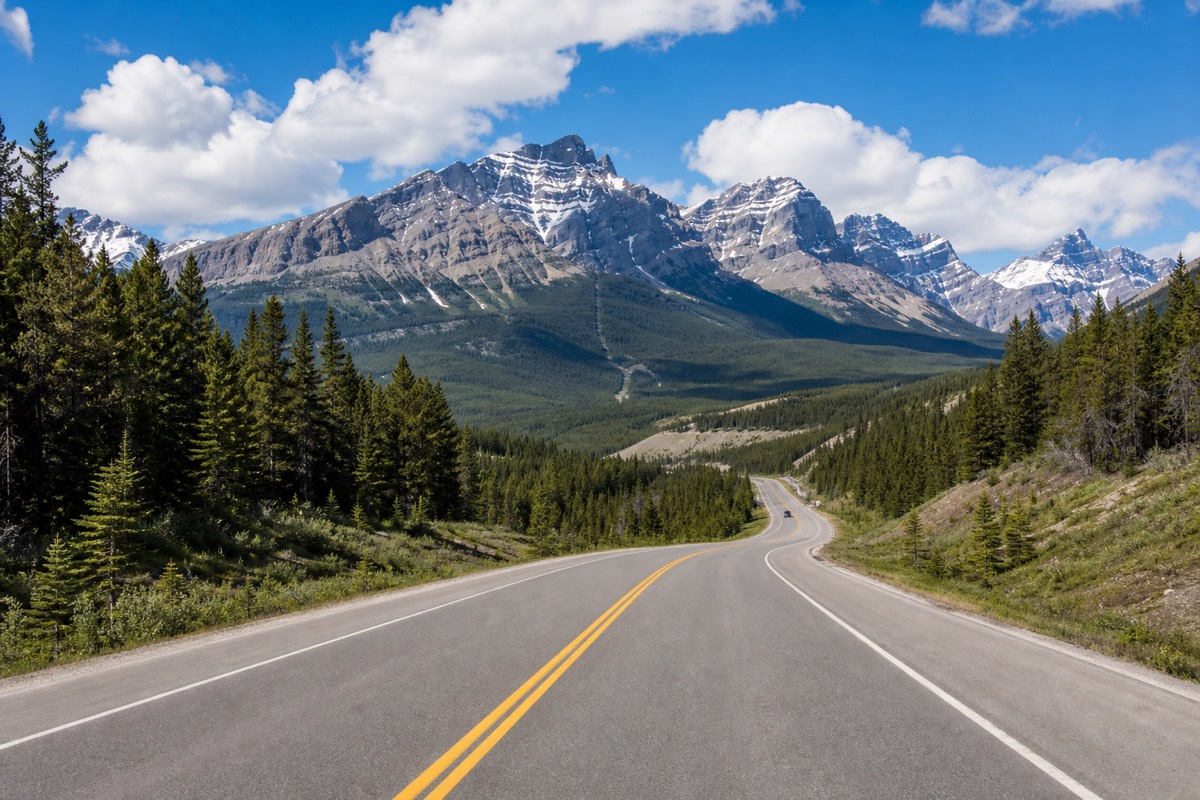
For most drivers, no. The Banff to Jasper drive follows the Icefields Parkway, a wide, paved, well-maintained two-lane highway with gentle grades and guardrails, not a cliff-edge pass. What rattles people is the remoteness, not the road: about 290 km with almost no cell signal, one gas station, and wildlife that wanders onto the tarmac.
Is the road itself dangerous?
The Icefields Parkway is a normal, sealed highway, not a white-knuckle mountain track. Highway 93 runs two lanes the whole way, with a painted centre line, shoulders, guardrails on the exposed sections and gradual climbs rather than hairpin switchbacks. On a clear summer day it drives like any good rural highway.
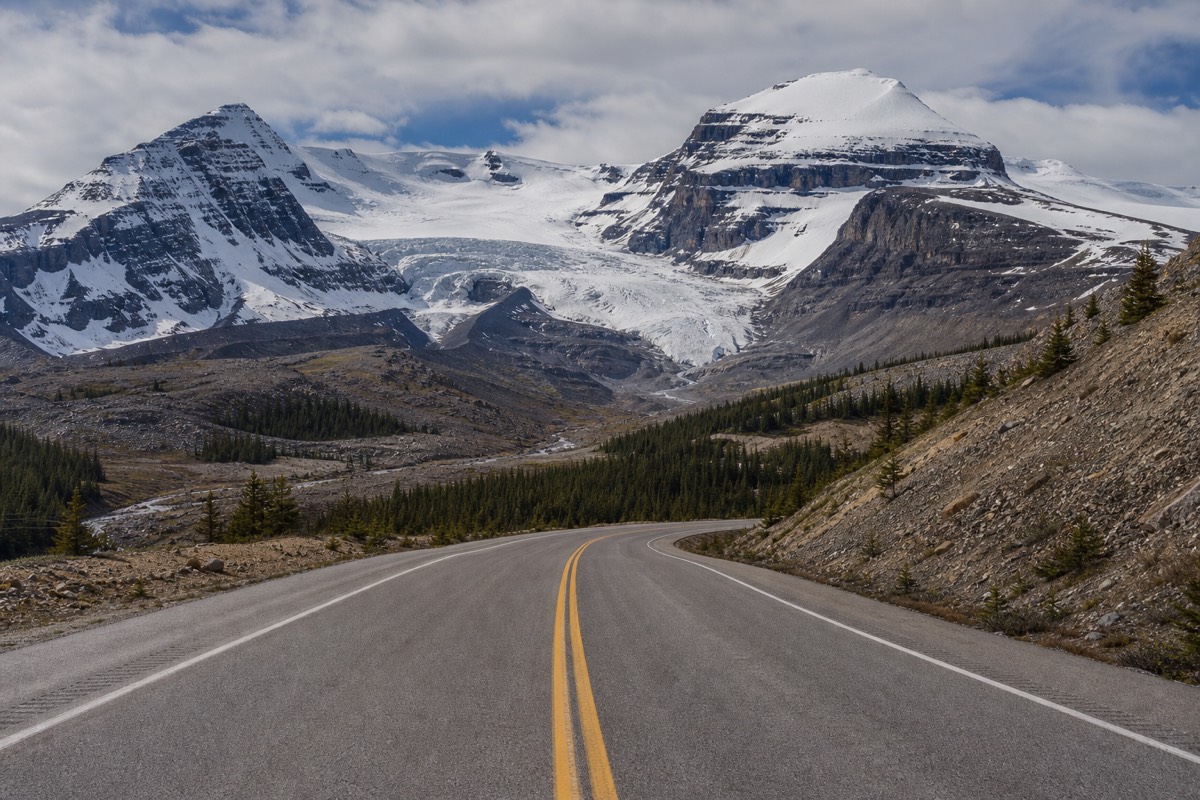
People picture a narrow ledge above a drop, and that is not this road. Known as one of the world's great scenic drives, it is also a perfectly ordinary highway to steer: long, sweeping curves and steady grades built for coaches and RVs. If you are comfortable on a two-lane country highway at home, you will be comfortable here in good weather.
The high points, Bow Summit and the Sunwapta Pass near the glacier, are the two spots people imagine will be hairy, and neither is. Both are broad, gently graded climbs, not switchbacks, and the road holds two full lanes over the top. Speeds are modest by design, capped for wildlife and weather rather than difficulty, so the pace tends to soothe nervous drivers rather than stretch them.
So what actually makes people nervous?
The real challenges are distance and isolation, not corners. The full run is about 290 km with no towns in the middle, cell service drops out for almost the whole drive, and there is a single fuel stop at Saskatchewan River Crossing. Add fast-changing weather and animals on the road, and the nerves make more sense.
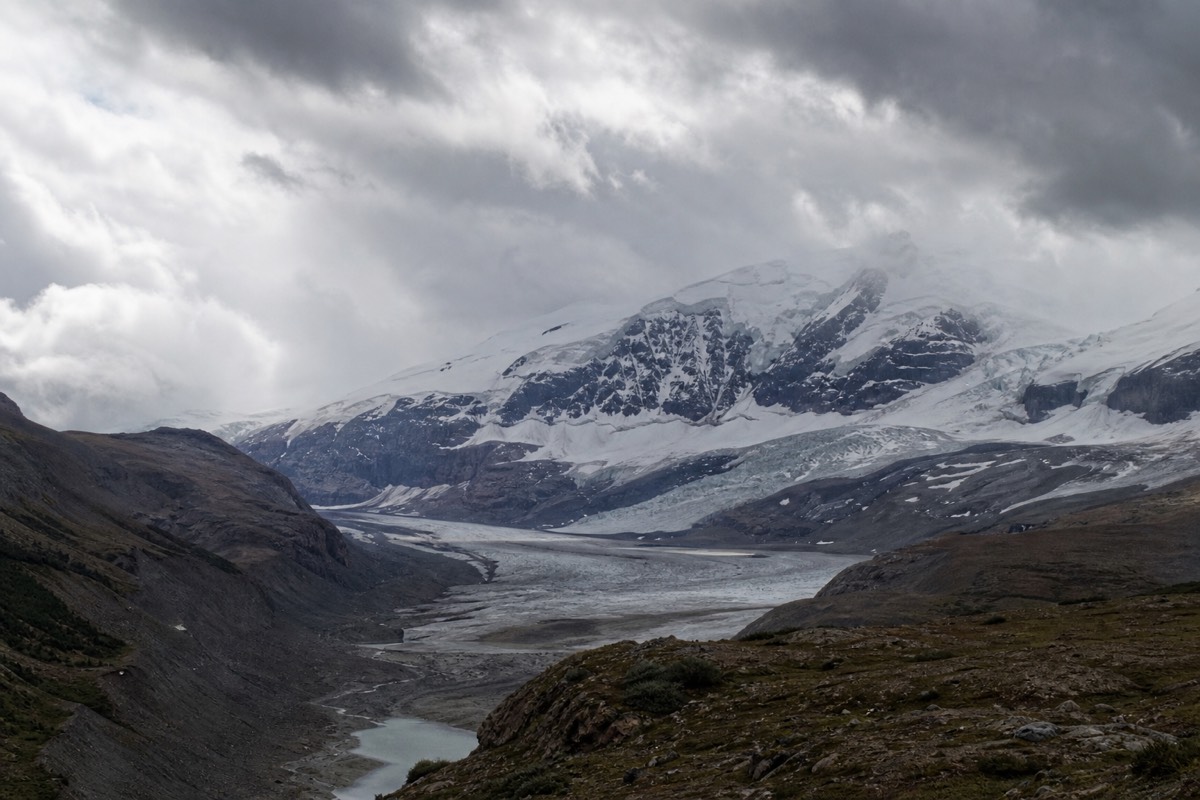
None of these is a reason to avoid the drive; they are reasons to prepare for it. The fixes are simple, and the table sets each worry next to what it really means and what to do about it.
| What worries people | The reality | What to do |
|---|---|---|
| No cell signal | Absent for almost the whole drive | Download an offline map before you leave |
| Running out of fuel | One pricey station at Saskatchewan River Crossing | Fill the tank in Banff or Jasper first |
| Wildlife on the road | Bears, elk and sheep near the tarmac | Slow at dawn and dusk, never stop in a lane |
| Sudden weather | Snow possible even in summer up high | Check conditions, drive to what you can see |
Winter is a genuinely different drive
In the cold months the Parkway turns serious. Snow, ice and black ice are common, daylight is short, and stretches can close after storms or avalanche control. The glacier activities shut from about mid-October to early May, so a winter crossing is for the road itself, and it demands proper tires and real caution.
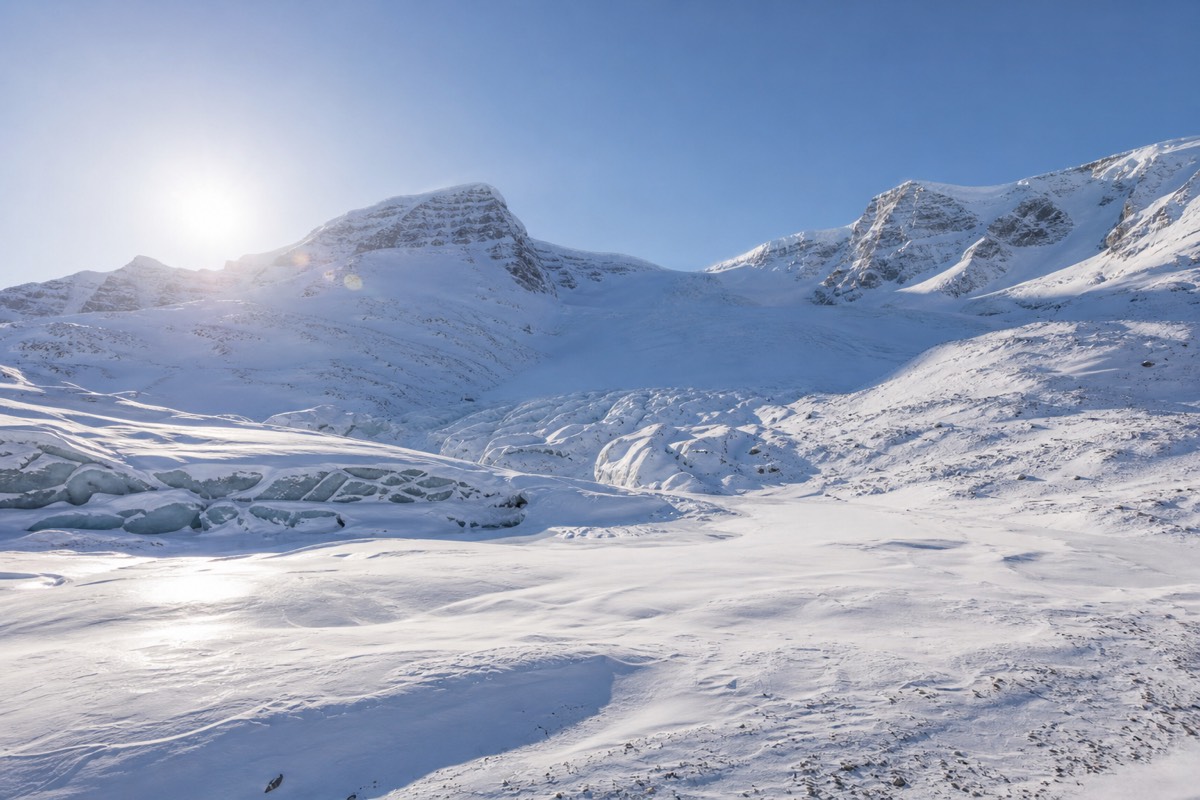
If you drive it in winter, treat it like the mountain highway it is: carry winter tires or chains, keep the tank full, pack warm gear in case you stop, and check road status with Travel Alberta and the park before you commit. Many visitors who are unsure simply wait for summer or hand the winter driving to a guide.
Wildlife on the road
Animals are the hazard people underestimate. Black bears and grizzlies feed on the roadside verges in spring, and elk, deer and bighorn sheep cross without warning, most often at dawn and dusk. A collision at speed is the genuine risk on this drive, far more than the road's shape.
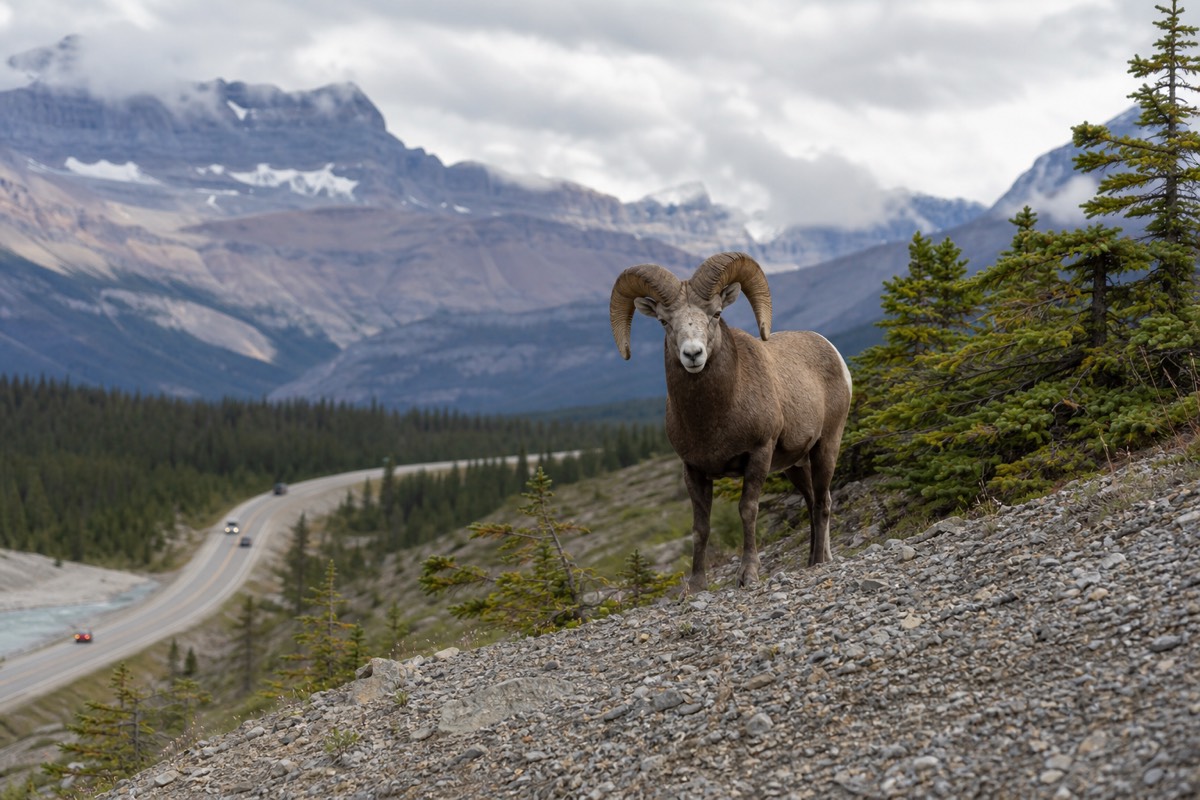
The answer is speed and attention. Ease off in the early morning and evening, scan the verges, and if you spot an animal, slow down and stay in the car rather than stopping in a traffic lane for a photo. Parks Canada asks visitors to keep well back from wildlife, which keeps both you and the animals safe.
Two habits cut the risk sharply. Keep to the posted limit, since it leaves you room to stop for a sheep standing in the road, and avoid driving the corridor in full dark if you can help it, which is when a moose or a bear is hardest to see and slowest to move. Where cars have pulled over for a bear on the verge, do not join them; a roadside crowd stresses the animal and blocks the lane for everyone behind.
If you would rather not drive it yourself
You do not have to drive the Parkway to see it. A guided tour puts a professional at the wheel, someone who runs this road daily, knows where the animals gather and where the ice lingers, and lets you watch the mountains instead of the centre line. It removes every worry on the list above at once.
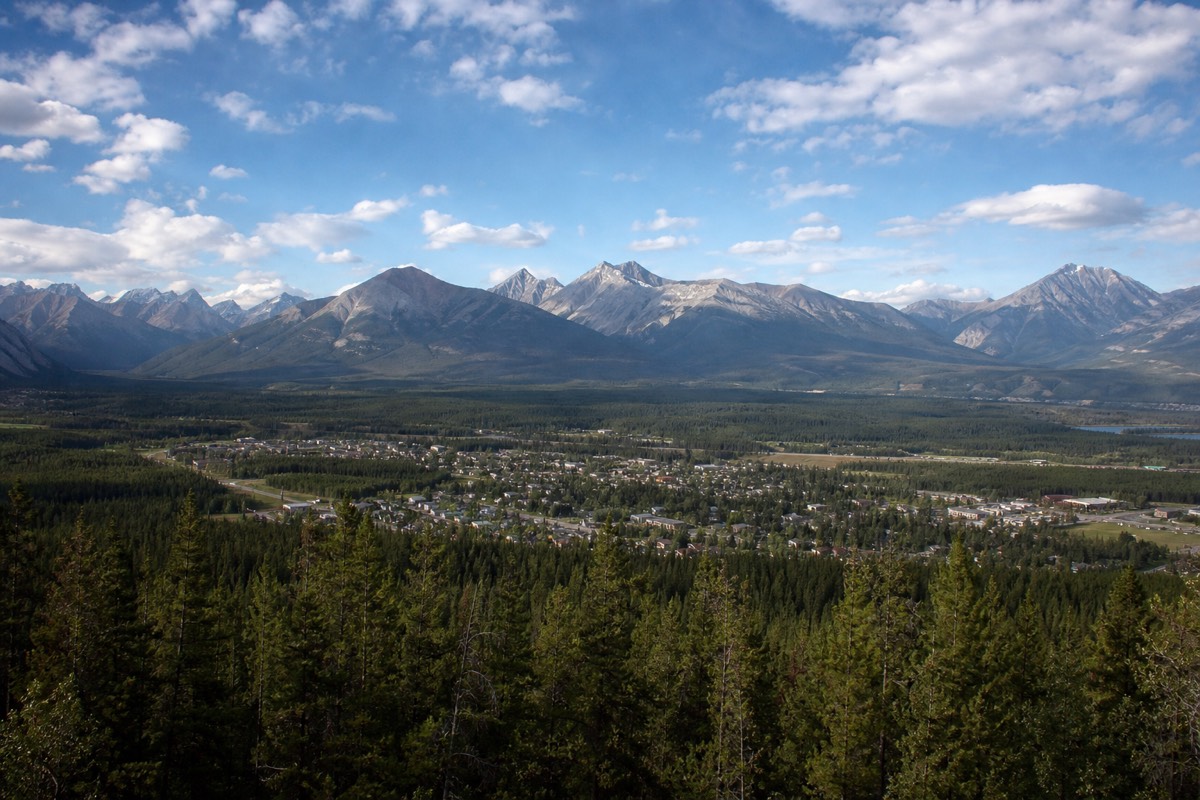
A one-way guided journey to Jasper runs around $273 and includes the glacier trek and lunch, so you never touch the wheel. For a set pace, a private guided tour is around $879 for the group, and a small-group tour from Banff or Canmore is around $102. Prices move with the season, so check the live listing. Compare them all at Columbia Icefield Tours, and for the scenery you will pass, read our full Icefields Parkway drive guide and the notes on mountain weather and the best time to go.