Columbia Icefield Weather & Best Time to Visit 2026
Weather is the one variable that decides how a Columbia Icefield day goes, and at 2,000 metres it does not read like the forecast for Banff or Calgary an hour away. Snow can fall in July. A warm morning can turn to sleet by lunch. This guide breaks the year down month by month, marks the season window, and tells you when the ice is quiet, so you can pick a date with your eyes open.
Choose a date during attraction operations, then leave flexibility for mountain weather. Explore Ice Explorer + Skywalk
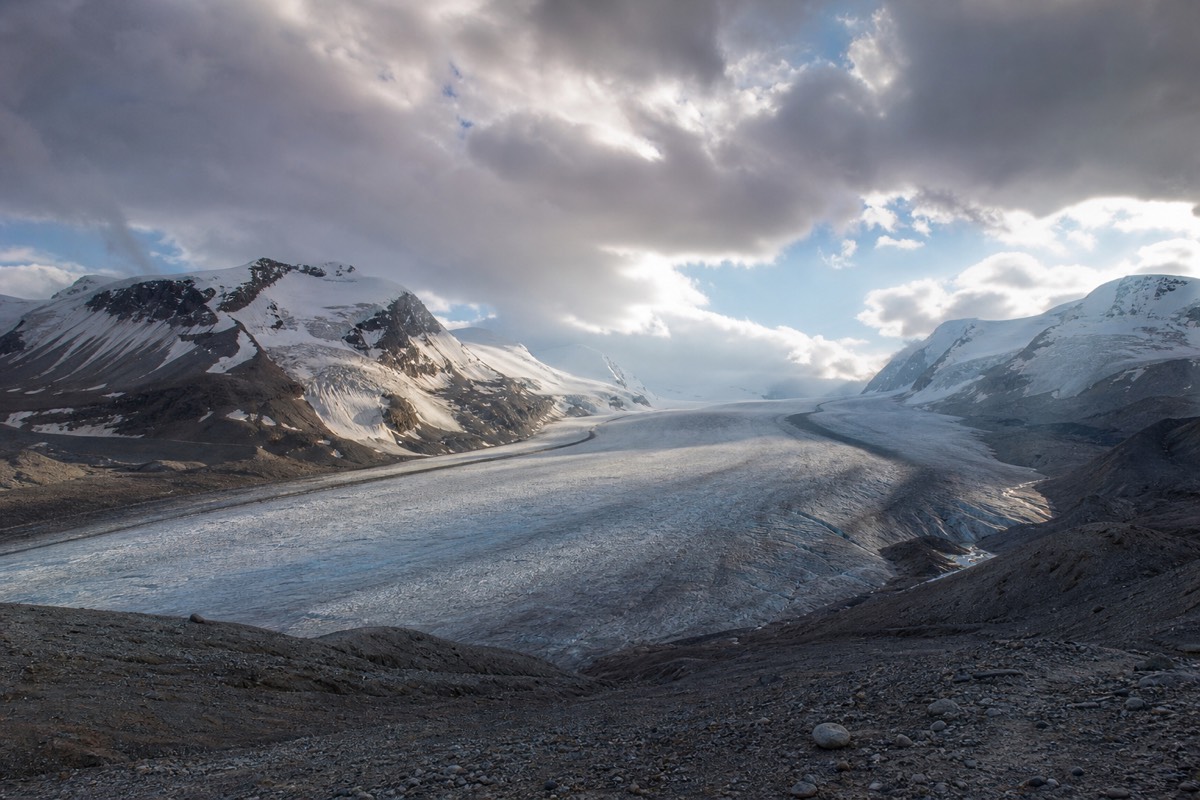
Two things surprise first-time visitors more than anything else. The first is how short the glacier season is. The second is how cold it stays on the ice even in the height of summer, when the valleys below are in shorts and sunhats. Get both straight and the rest of the planning falls into place. Here is the whole year, honestly, followed by the practical calls on crowds, timing and kit.
The Columbia Icefield season at a glance
A rough guide to the visiting year: bar height reflects how good a month usually is for the glacier, colour marks the season phase, and the numbers are typical daytime highs near the Discovery Centre. Exact open and close dates are set by the operators each season, and the glacier surface always runs colder than these figures.
When is the best time to visit the Columbia Icefield?
Mid-June to mid-September is the sweet spot: the glacier activities are running, days are long, and roadside snow has cleared. July and August are warmest but busiest, June trades a little warmth for space, and mid-to-late September brings crisp air and autumn colour with thinner crowds. Outside roughly early May to mid-October the high-ice experiences close.
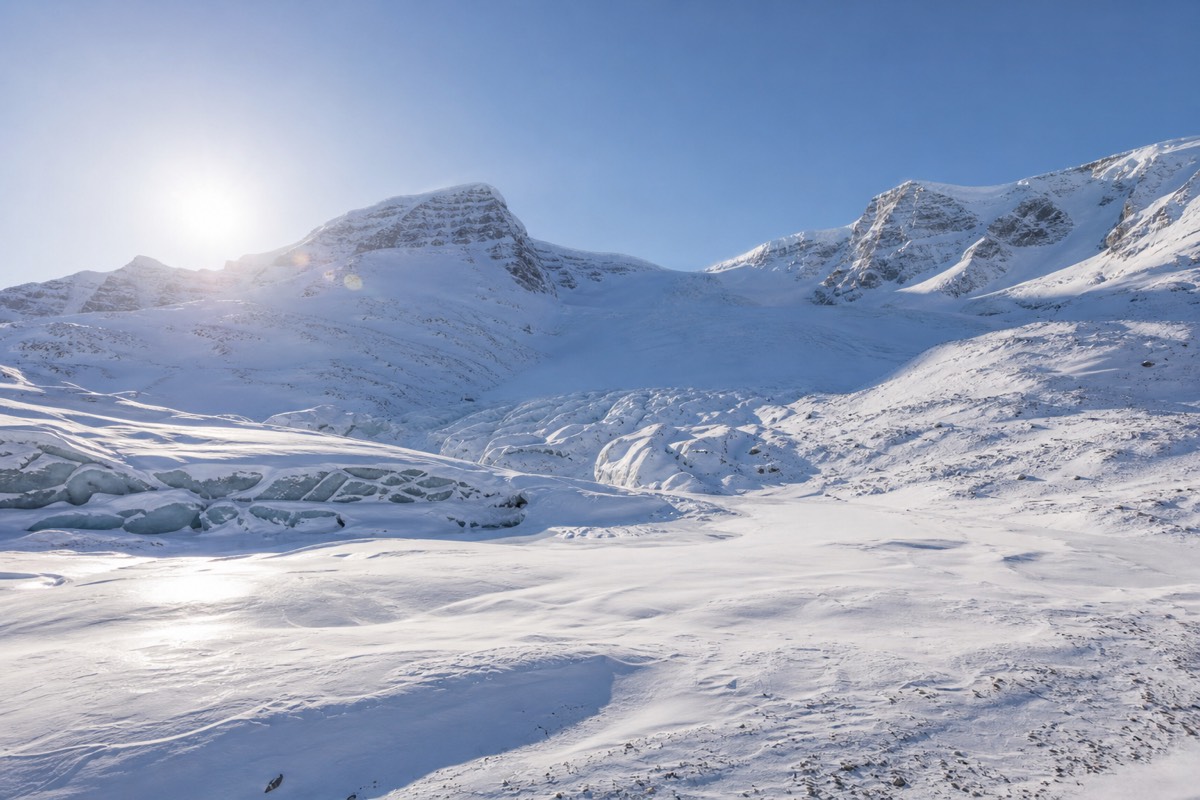
If you want one recommendation, aim for the first half of June or the back half of September. You still get open glacier activities and passable weather, but you sidestep the July and August peak when the parking lot fills by late morning and the ice tours book out days ahead. Whichever window you choose, book the on-ice activities before you arrive; our rundown of the current tickets and prices covers how far ahead to lock them in.
What is the weather like on the Columbia Icefield?
Cold, changeable and higher than it looks. The Discovery Centre sits near 2,000 metres, so summer daytime highs typically land in the teens Celsius, nights drop near or below freezing, and the glacier surface runs 10 to 15 degrees colder still with a hard wind. Snow, rain and sun can all arrive in a single afternoon. This is alpine weather, not valley weather.
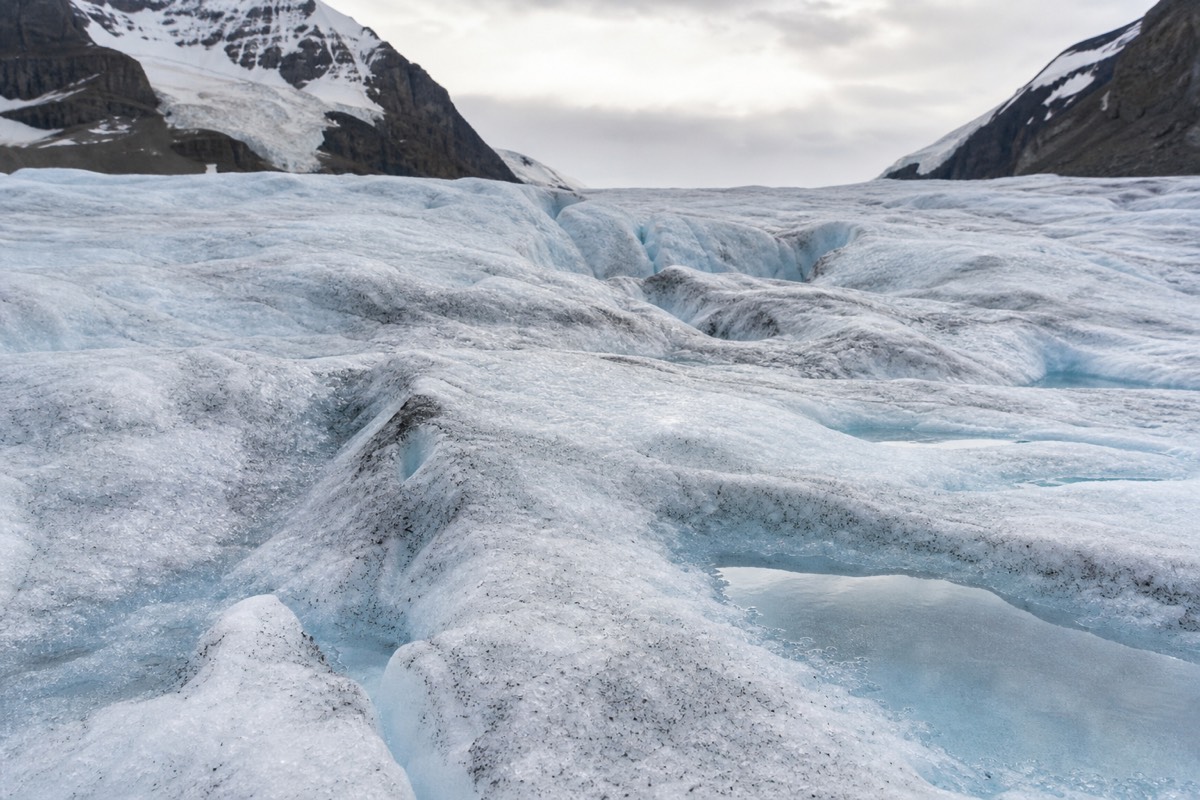
The pattern that catches people out is the gap between the forecast they checked for their hotel town and the reality at the ice. A pleasant 24 in Banff can be a raw 8 with sleet at the glacier toe. Cloud sits on the peaks for hours, then tears open into brilliant sun. Because of that reflected sun, sunburn is a genuine risk on the ice even on a cool day. Dress for two seasons at once and you will be comfortable in almost any conditions; our guide to what to wear on the glacier goes deeper on the layers that matter.
How cold does it actually get, valley versus glacier?
The number that matters is the gap between where you sleep and where you stand. A summer forecast for Banff or Jasper might read low to mid-20s, the Discovery Centre at 2,000 metres runs cooler in the low teens or single digits, and the glacier surface sits 10 to 15 degrees below the valley, often near freezing with a biting wind. Read the forecast for the ice, not for your hotel.
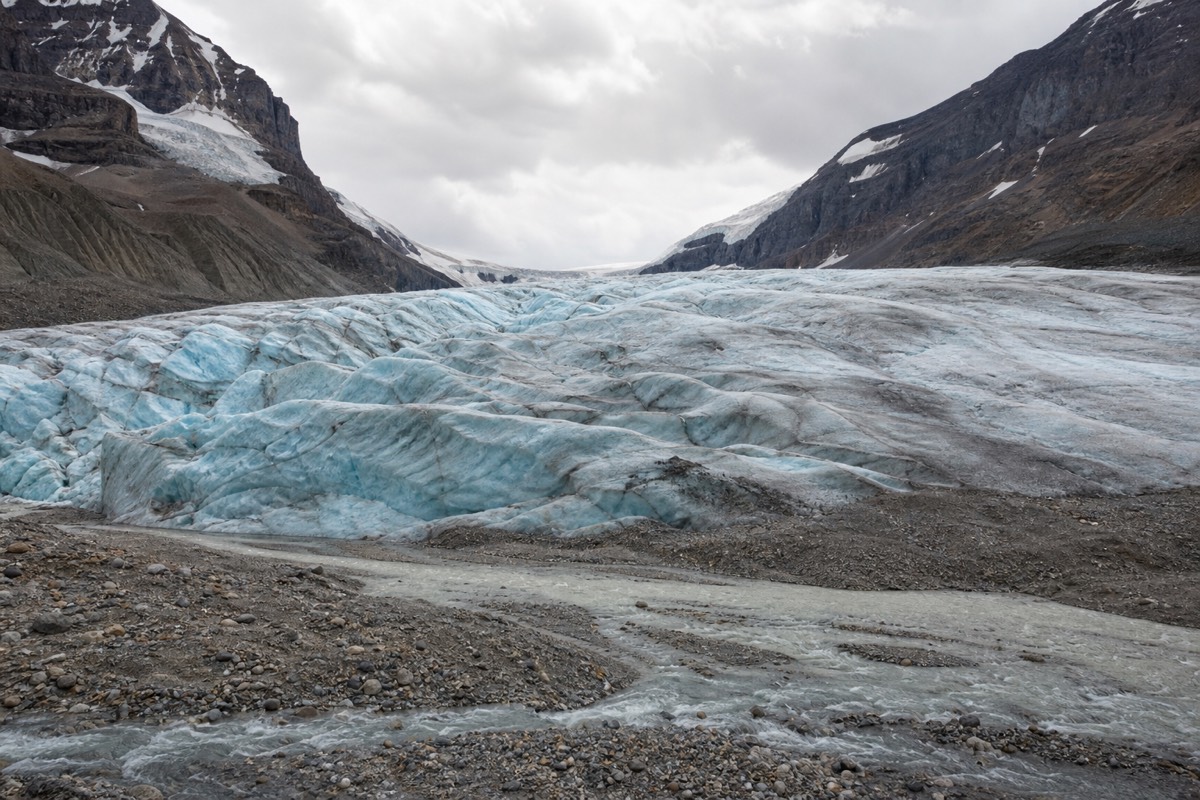
This is the most common planning mistake, and it is easy to avoid once you see it laid out. Visitors pack for the town they are staying in, arrive at the glacier in a t-shirt and cotton, then spend the best hours of the day cold and cutting the visit short. Wind does most of the damage, stripping warmth far faster than the raw temperature suggests, and the open ice gives it nothing to push against. Add the reflected glare, which burns skin even when the air is cold, and you have conditions that reward a warm layer and sunscreen in equal measure. The snapshot below helps calibrate what to carry on a typical summer day.
| Where you are | Typical summer daytime | What it means for you |
|---|---|---|
| Valley town, Banff or Jasper | High teens to mid-20s | Where your phone forecast usually points |
| Discovery Centre, ~2,000 m | Single digits to mid-teens | Cooler and breezier than the valley below |
| Glacier surface | Near freezing to about 10 | Dress for here, 10 to 15 below the valley |
| Exposed viewpoints | Variable, wind-driven | A shell tames most of the wind chill |
Month by month: what does each part of the year look like?
The visiting year splits into three phases. Roughly November through April the high-ice activities are closed and the Parkway is a winter drive. May and June open the season with quiet ice and lingering snow. July and August peak for warmth and crowds, then September and early October give a golden, calmer close before the shutters come down again. The table below is the quick reference.
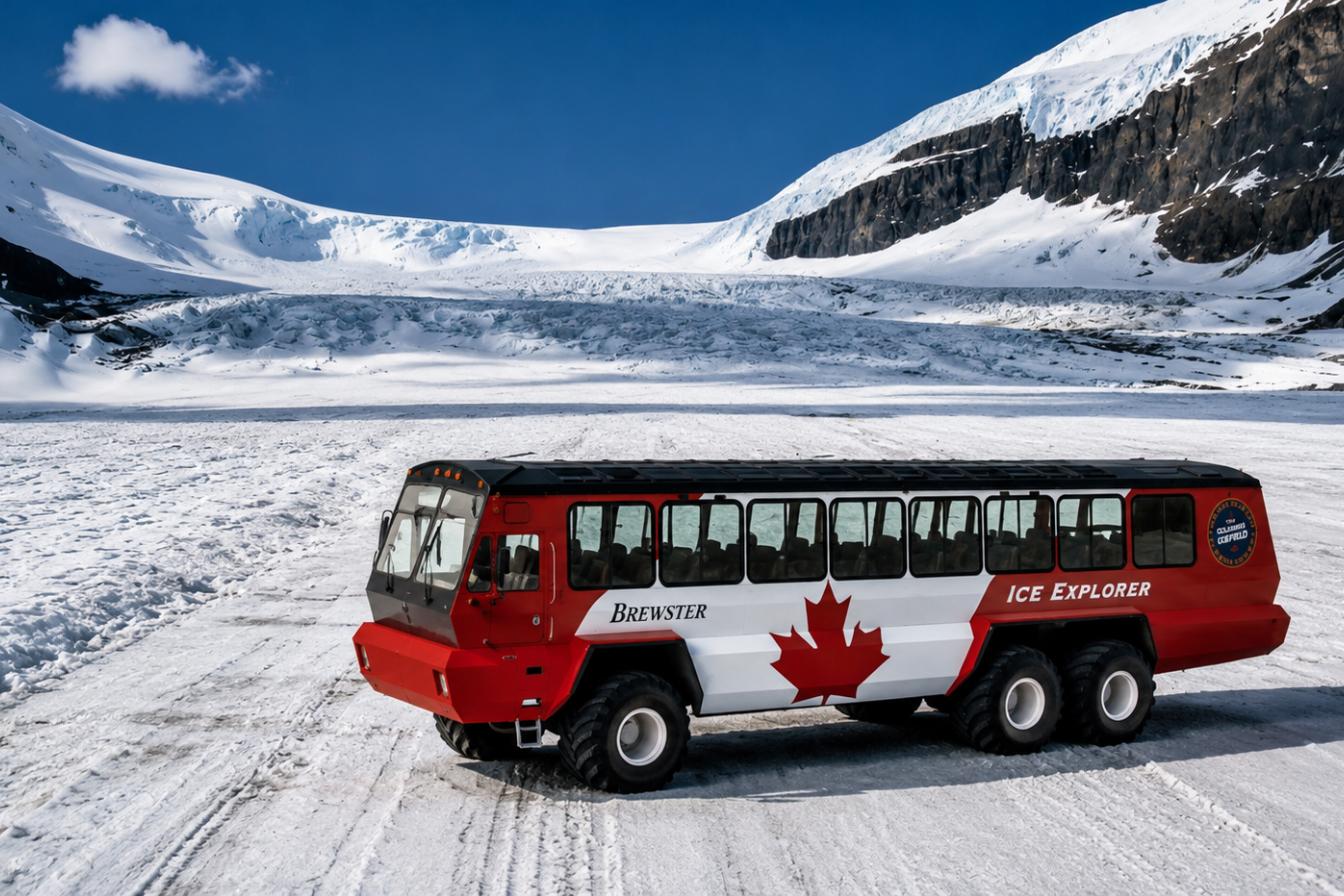
| Month | Typical daytime high | Glacier activities | Crowds | Verdict |
|---|---|---|---|---|
| January | -12 to -4 | Closed | Low | Winter drive only, deep cold |
| February | -10 to -3 | Closed | Low | Winter drive only |
| March | -8 to 0 | Closed | Low | Late-winter road, longer light |
| April | -3 to 6 | Closed most of month | Low | Shoulder, road often quiet |
| May | 2 to 12 | Opening, early May | Building | Quiet ice, some snow lingering |
| June | 6 to 16 | Open | Moderate | Long days, fewer people, strong value |
| July | 9 to 20 | Open | High | Warmest, busiest, book ahead |
| August | 9 to 19 | Open | High | Warm, busy, some wildfire haze risk |
| September | 4 to 14 | Open | Moderate | Crisp light, larches late in the month |
| October | -2 to 8 | Open to mid-month, then closing | Low | Beautiful but a weather gamble |
| November | -8 to 1 | Closed | Low | Winter conditions return |
| December | -11 to -3 | Closed | Low | Winter drive, short days |
When is the Columbia Icefield open, and what closes in winter?
The Glacier Adventure and the Skywalk run for a defined season, roughly early May to mid-October, with exact dates set by the operators each year. Through the winter the high-ice activities close entirely, though the Icefields Parkway itself stays open to through traffic when conditions allow. This is why a February visit means the drive and the views, not a ride onto the ice.
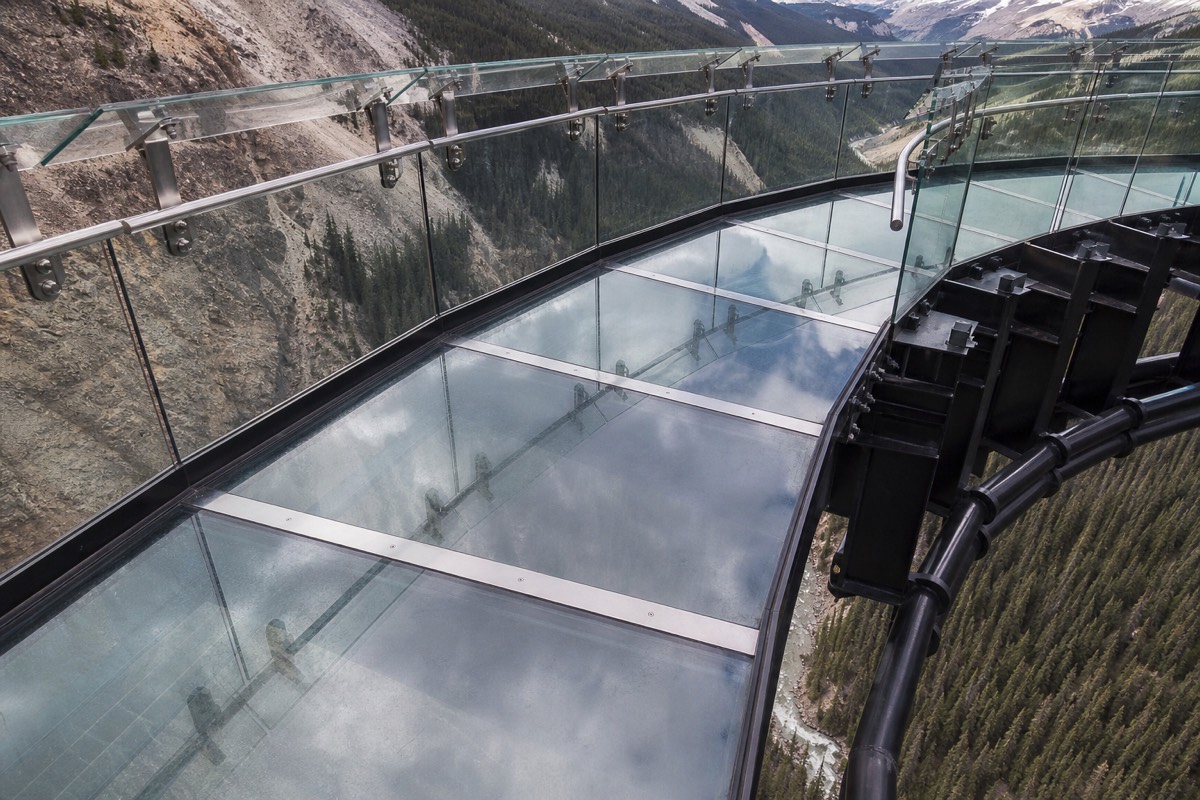
Winter does not empty the region of things to do; it just moves them. Operators that run day tours in the closed months pivot to lower-elevation highlights like Johnston Canyon ice walks, Lake Louise and Marble Canyon, so a "Columbia Icefield tour" booked in January is really a winter Rockies tour that passes the sleeping icefield. If standing on the glacier is the whole point of your trip, you have to travel in season. In the off-season, check current road conditions and closures with Parks Canada before setting out, because a winter storm can shut the Parkway temporarily even when it is officially open. To see the on-ice experience in detail, read our guides to the Ice Explorer glacier ride and the Glacier Skywalk.
| Experience | Season window | Winter status |
|---|---|---|
| Ice Explorer onto the Athabasca Glacier | Roughly early May to mid-October | Closed |
| Glacier Skywalk | Roughly early May to mid-October | Closed |
| Discovery Centre building and dining | Aligned with the activity season | Closed off-season |
| Icefields Parkway drive | Year-round | Open when conditions allow, winter tyres advised |
When is the Columbia Icefield least crowded?
Crowds track the calendar and the clock. July and August are busiest, especially between 11am and 3pm when tour coaches converge on the Discovery Centre. The quietest in-season windows are early May, June and the second half of September, and the first hour after opening on any day is calmer than the midday rush. Timing beats luck here.
The bottleneck is physical. The Ice Explorer fleet, the Skywalk shuttle and the parking lot all have limits, so on a peak August midday you queue for each of them in turn. Shift your visit to a shoulder month or an early slot and those same steps flow. Coming from the south, a coach that leaves early gets you there ahead of the crush, which is one quiet advantage of the departures from Calgary, Canmore and Banff over a mid-morning self-drive start.
| Goal | Best window | Why |
|---|---|---|
| Warmest weather | Mid-July to mid-August | Peak daytime highs, longest days |
| Fewest crowds, ice open | Early June, late September | Season running but coaches thin out |
| Autumn colour | Mid to late September | Larches turn gold, crisp clear air |
| Best value | May and June, October | Shoulder demand, easier bookings |
| Photography light | September | Low sun angle, fewer people in frame |
What is the best time of day to visit?
Early. Arriving at or soon after opening buys you thinner crowds, a parking space, softer light and the best odds of a mirror-calm lake on the drive up. Midday is warmest but most crowded, and late afternoon light is lovely on the Parkway if you can time the return for it. The ice itself looks brightest under high midday sun.
There is a small trade-off between crowds and glacier appearance. Early light is kinder for photos of the lakes and the valley, but the Athabasca ice reads bluest and most vivid when the sun is high overhead, which is also the busiest stretch. Most visitors split the difference: reach the ice by mid-morning, do the glacier and Skywalk before the worst of the queues, then enjoy the afternoon light on the way back down. The lakes along the way, especially on the drive up the Icefields Parkway, reward an unhurried return.
Daylight is the other reason to think about timing. This far north the summer days stretch long, which gives you room to start early and still finish the Parkway in good light, while the shoulder months close in fast and reward a tighter schedule. The rough daylight lengths below help you judge how much day you actually have to play with.
| Month | Rough daylight | Feel |
|---|---|---|
| May | ~15.5 hr | Long evenings return, ice newly open |
| June | ~16.5 hr | Longest days of the year, unhurried starts |
| July | ~16 hr | Long, warm, generous light |
| August | ~14 hr | Noticeably shortening after mid-month |
| September | ~12.5 hr | Balanced days, golden low-angle light |
| October | ~10.5 hr | Short days, plan the drive tightly |
What about wildfire smoke, rain and mountain haze?
Summer in the Rockies carries a few weather wild cards beyond temperature. Wildfire smoke can drift in during July and August and mute the views for a day or more, rain and low cloud can sit on the peaks at any time, and heat haze softens distant detail on the warmest afternoons. None is predictable far ahead, so the honest move is to build a little flexibility into your dates.
Smoke is the one most people do not plan for. In a dry summer, haze from distant fires can grey out the mountains even when the sky above you looks clear, and it comes and goes with the wind. Rain days are more ordinary and rarely last, since mountain weather moves quickly, and the ice looks dramatic under cloud in its own right. If a smoky or wet day lands on your only slot, the glacier ride and the Skywalk still run, and the Discovery Centre gives you an indoor fallback. Where you have a spare day, keep it loose so you can chase the clearer of two forecasts.
| Condition | When it is likeliest | Effect on your day | What to do |
|---|---|---|---|
| Wildfire smoke | Dry spells in July and August | Hazy, muted distant views | Keep dates flexible, go early before it builds |
| Rain and low cloud | Any month, often brief | Wet stops, peaks hidden | Bring a shell, use the centre, wait it out |
| Fresh snow | Shoulder months, any month up high | Cold, slick, but beautiful | Warm layers, grippy footwear |
| Heat haze | Hottest afternoons | Softer distant detail | Shoot the lakes early, ice midday |
What should you wear and pack for the weather?
Layer for cold even in July. A warm mid-layer, a windproof and waterproof shell, a hat and gloves, sturdy closed shoes with grip, sunglasses and strong sunscreen cover almost any Columbia Icefield day. The glacier is windy and 10 to 15 degrees colder than the valley, and the reflected sun burns fast, so the sun protection is not optional.
Think of it as packing for two climates you will pass through in one afternoon. You may sweat at a sunny viewpoint and shiver on the ice within the hour. Solid footwear matters because glacier surfaces are wet, uneven and slick, and gripping walking shoes make the short on-ice walk far more comfortable than smooth-soled sneakers. Fill a water bottle, bring a snack since dining is limited to the Discovery Centre, and keep a warm layer in reach no matter how bright the morning looks. For the full kit list by season, see our guide on how to dress for the glacier.
| Item | Summer, June to August | Shoulder, May and September to October |
|---|---|---|
| Warm mid-layer | Essential, fleece or light down | Essential, heavier |
| Waterproof shell | Essential | Essential |
| Hat and gloves | Recommended | Essential |
| Footwear | Gripping closed shoes | Waterproof boots with grip |
| Sun protection | Sunglasses and strong sunscreen | Sunglasses and sunscreen |
| Extras | Water, snack, camera | Water, snack, spare warm layer |
Which season suits which kind of visitor?
Families and first-timers do best in July and August for reliable warmth and full services. Photographers and quiet-seekers should target June or late September. Budget travellers find the softest prices in May and October. Winter visitors get the drive and the frozen scenery, but not the glacier ride. Match the month to what you actually want and the day rarely disappoints.
Whatever window you land on, the core experience is the same trio: standing on the ice, the glass-floored walkway and the run of turquoise lakes on the drive. What the season changes is the warmth, the light and how many people share it with you. If you are still weighing whether the whole trip earns its place in a packed Rockies itinerary, our honest take on whether the tour is worth it lays out the case both ways, and a guided full-day glacier and lakes tour booked through Columbia Icefield Tours means the timing, the tickets and the weather calls are handled for you. The operators publish their exact 2026 open and close dates each spring, and Banff Jasper Collection is the place to confirm them before you book.
If your travel dates are fixed and they happen to fall in the busy peak, there is no need to despair. An early start, a mid-week rather than weekend visit, and activities booked well ahead recover most of the calm that the shoulder months hand you for free. The icefield is large and a summer day is long, so how well you time your movements through it matters more than the exact square on the calendar. Plan the day with intent and even a July visit can feel unhurried at the moments that count, first light on the lakes and the quieter edges of the afternoon on the ice.