What Should You Wear for the Columbia Icefield Tour?
People step off the coach at the Discovery Centre in shorts, take one gust of wind off the ice, and dive straight back for a jacket. The valley below can be warm and sunny while the glacier is close to freezing. Dressing for that gap is the whole trick, and it is easy once you know what the ice actually feels like.
Wear your layers for a short stop on the ice followed by the exposed Skywalk. Explore Ice Explorer + Skywalk
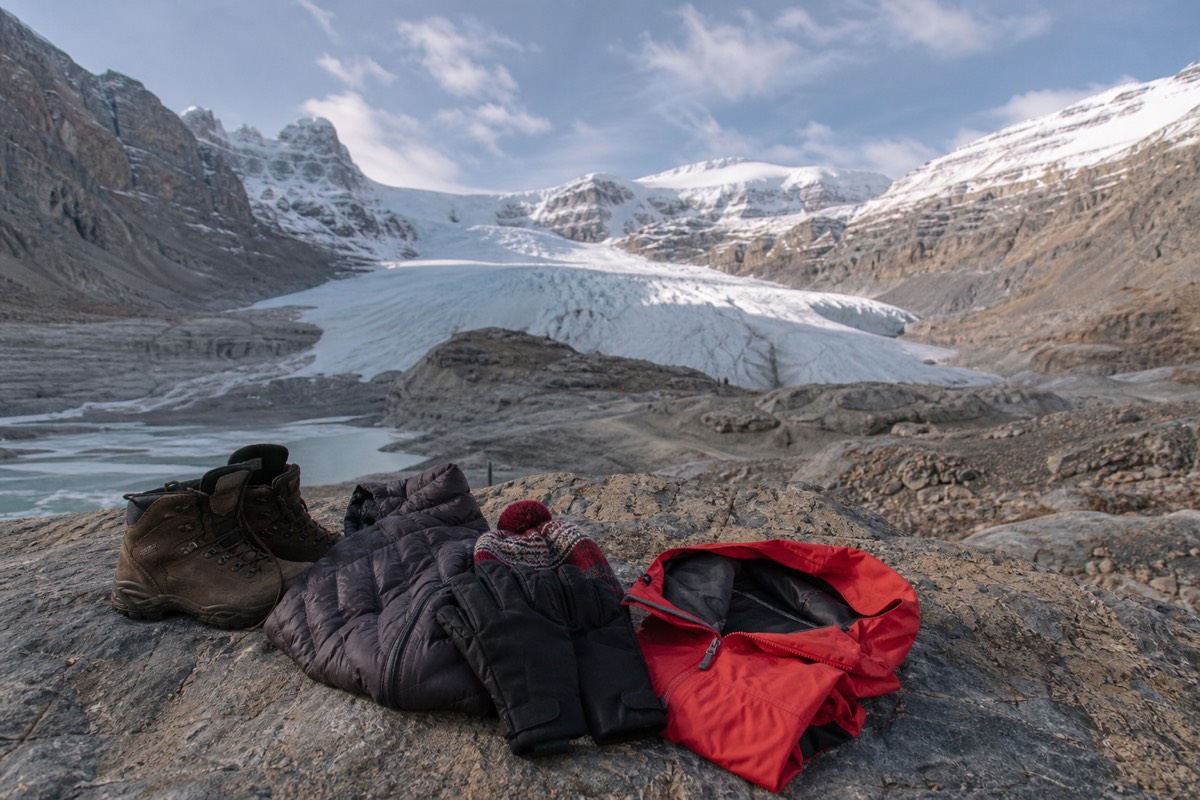
Dress in warm layers even in summer. On the glacier it can run 10 to 15 degrees colder than the valley, with wind on top of that, so pack a base layer, a fleece or insulating mid-layer, and a waterproof, windproof shell. Add a warm hat, gloves, sunglasses, sunscreen and sturdy closed-toe shoes with grip.
What should you wear on the Columbia Icefield tour?
Think in three layers you can add or shed as the day changes. A base layer wicks sweat, a fleece or light down mid-layer traps warmth, and a waterproof shell blocks the wind and the odd shower. Top it with a hat and gloves for the glacier, and swap them off once you are back in the sun.
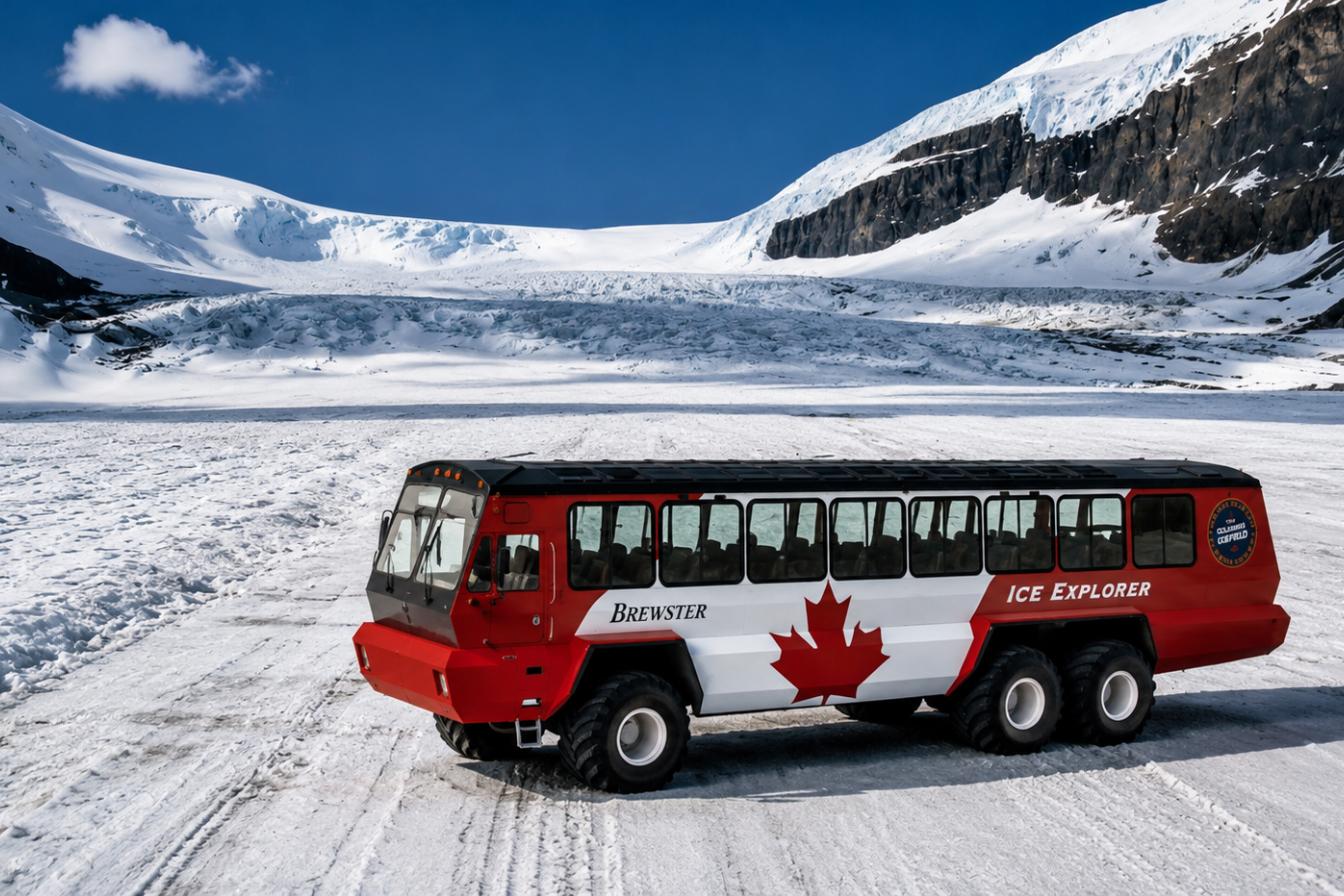
The reason layering beats one heavy coat is the swing you go through in a single day. You might start warm at a lakeside viewpoint, ride a heated coach up the parkway, then stand in biting wind on the ice an hour later. Layers let you match each stop without hauling a bulky jacket you only need for twenty minutes. The flagship route, a full-day glacier tour with the Skywalk and scenic lakes, hits exactly this range of conditions between the lakes and the ice.
Why does it get so cold on the glacier?
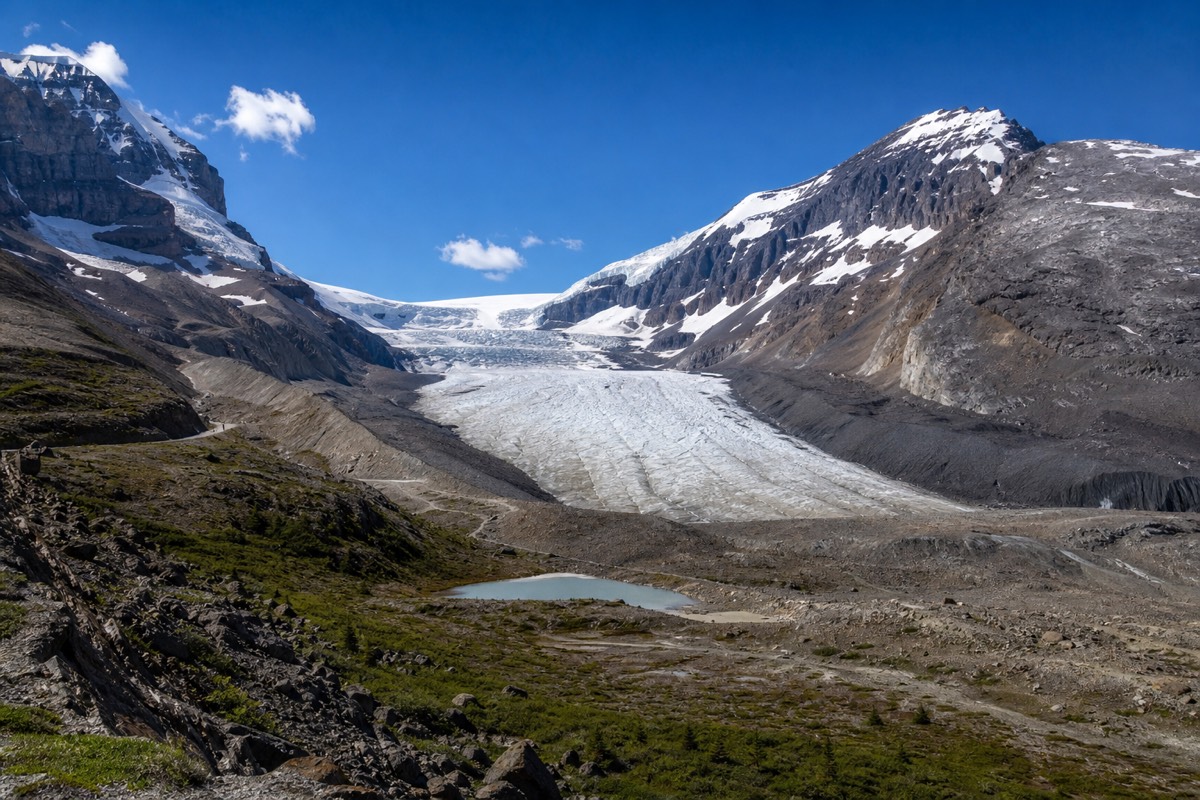
You are standing on a vast sheet of ice at altitude, and it chills the air right above it. Even on a hot afternoon in the valley, the surface of the Athabasca Glacier can sit near freezing, and wind funnelling down the ice makes it feel colder still. The sun is also fierce up there, so cold and sunburn arrive together.
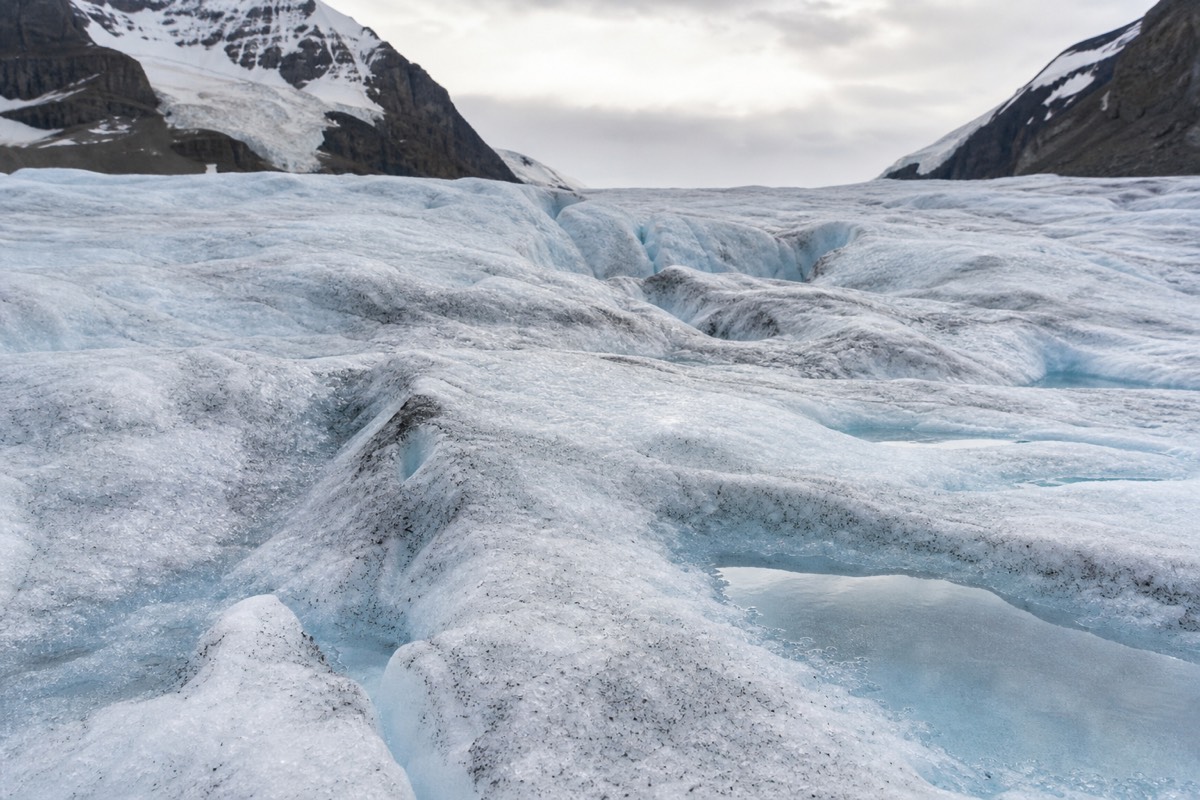
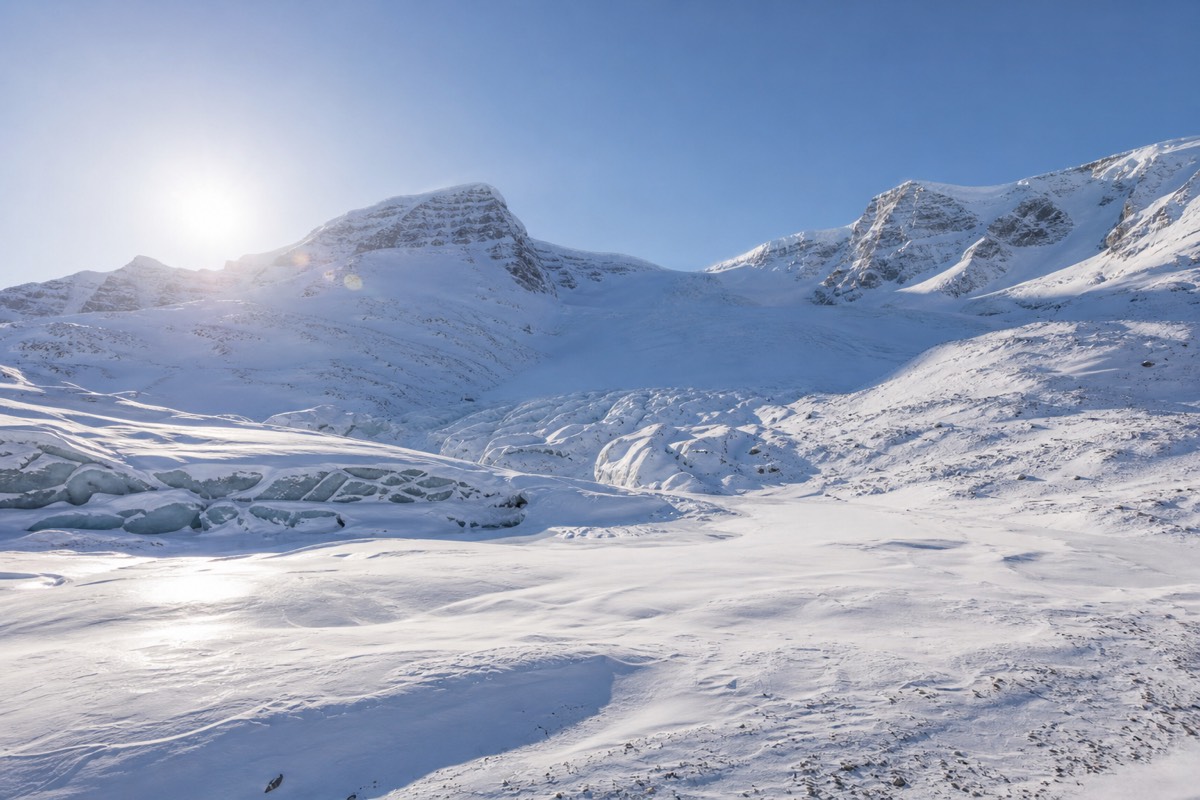
Altitude plays its part too. The Columbia Icefield sits high in the Rockies, where temperatures drop and weather turns quickly regardless of the forecast down the road. A clear sky at the Discovery Centre can give way to cloud and a cold gust by the time you reach the ice. That mix of glare and chill is why sunglasses and a warm layer belong in the same bag.
What to wear season by season
Summer still needs a warm layer; winter needs proper insulation and traction. The glacier is cold year-round, but the shoulder months and winter add snow, ice underfoot and the chance the high-ice activities are closed. Match your kit to the season with the table below rather than trusting the valley forecast.
| Season | Upper layers | Footwear | Notes |
|---|---|---|---|
| Summer (Jun to Aug) | Base layer, fleece, light shell | Closed-toe trainers or hikers | Glacier still 10 to 15 degrees colder than the valley |
| Shoulder (May, Sep to Oct) | Add a warm mid-layer, hat and gloves | Waterproof hiking shoes | Early or late snow is common; layers matter more |
| Winter (Nov to Apr) | Insulated jacket, thermals, hat, gloves | Insulated waterproof boots with traction | Ice Explorer and Skywalk usually closed; tours pivot to canyon ice walks |
In the colder months many tours swap the glacier activities for frozen-canyon walks, so grip becomes as important as warmth. For dates, closures and the temperature you can actually expect, our guide to the Columbia Icefield weather and best time to visit lays out the season in detail.
What footwear works best on the ice?
Closed-toe, waterproof and grippy. The glacier surface is wet, uneven and slick, so sturdy trainers or light hiking shoes with a decent tread are ideal in summer. Skip sandals and smooth-soled shoes entirely. In winter you want insulated waterproof boots, and traction cleats if you are doing an ice walk.
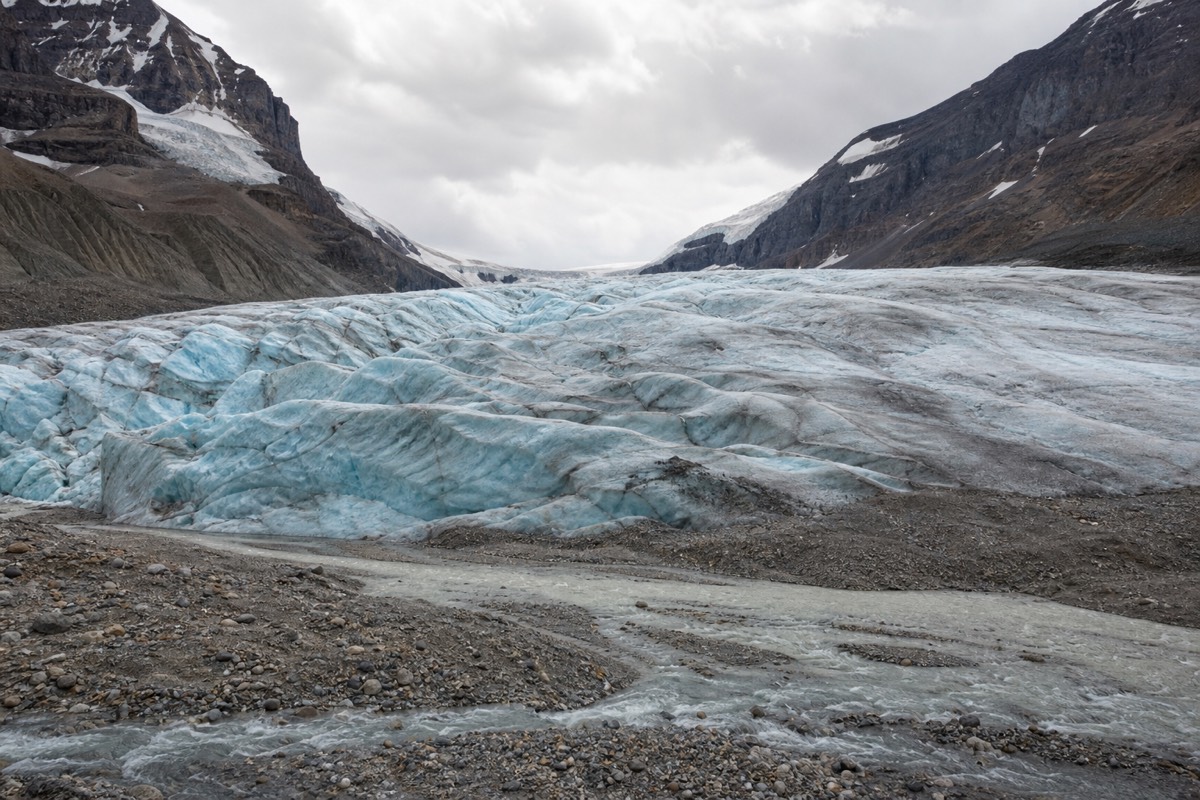
Even in July the meltwater on the surface will soak thin canvas shoes in minutes, and cold, wet feet ruin an otherwise great day. A little ankle support helps on the loose gravel near the toe as well. If your plan includes walking out onto the ice rather than only riding a vehicle, treat your footwear as the single most important item you pack.
What else should you pack?
Beyond clothes, a handful of small items make the difference between comfortable and miserable. Sun protection, water, a daypack for the layers you shed, and a charged camera cover most of it. Nothing here is bulky, and the coach gives you somewhere to stash what you are not wearing.
| Item | Why it matters |
|---|---|
| Warm hat and gloves | Wind and cold on the ice, even in summer |
| Sunglasses | Glare off snow and ice is intense and tiring |
| Sunscreen | UV reflects off the glacier and burns fast |
| Refillable water bottle | Stay hydrated; fill it with treated drinking water before departure |
| Small daypack | Carry the layers you peel off between stops |
| Camera or charged phone | Cold drains batteries, so start the day full |
| Light rain shell | Mountain weather flips within the hour |
Check whether your tour provides bottled water and includes the park pass Parks Canada requires; these inclusions vary by operator. For a broader regional packing view across the Rockies, Travel Alberta is a useful reference. A small-group option such as a departure from Calgary, Canmore or Banff keeps the day comfortable between the cold stops.
The mistakes visitors make most
The two big ones are underdressing because the valley is warm, and wearing the wrong shoes. People trust the forecast at their hotel, arrive on the ice in a t-shirt and sneakers, and spend the best part of the day cold and wet. A warm layer and proper footwear fix both, and you can shed the extras the moment you are back in the sun.
The other easy miss is sun protection. Between the altitude and the reflection off the ice, you can burn on a cool day without noticing until later. Pack sunglasses and sunscreen even when it looks overcast. Once your kit is sorted, you can compare the guided days we list at Columbia Icefield Tours and turn up dressed for the ice instead of dressed for the parking lot.